
CARECONNECTMD TRAINING UPDATES
Coding and Documentation Training
CareConnectMD offers coding and training session upon request. These sessions are designed to guide providers through the process of assessing and accurately documenting diagnoses, offering valuable support to our partners.
The training agenda includes key topics such as:
Understanding Hierarchical Condition Categories (HCC) and their purpose
Practical tips for assessing HCC codes
Proper documentation techniques
Coding for diabetic complications
Addressing common misconceptions in diagnosis
Navigating combinations of diagnosis codes
These sessions aim to enhance providers’ documentation skills and contribute to overall excellence in clinical coding.
Coding Tips Newsletter
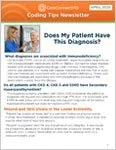
The CareConnectMD Coding Tips Newsletter provides concise, practical guidance to help improve diagnosis accuracy and documentation quality. Each edition highlights key areas of focus such as condition-specific coding, documentation best practices, and updates aligned with current CMS and HCC standards. Designed as a quick resource for providers and care teams, the newsletter supports our commitment to clinical excellence and compliance.
April 2025 Edition: Does My Patient Have This Diagnosis?
This edition of the newsletter highlights dementia, BMI, and major depressive disorder (MDD). Providers should specify if dementia involves behavioral disturbances (e.g., agitation) and use corresponding ICD-10 codes. BMI should only be coded when clinically relevant and paired with a related diagnosis like obesity or diabetes. For MDD, documentation must include episode type (single or recurrent), severity (mild, moderate, severe), and remission status if applicable. Common pitfalls include vague terms and incomplete descriptions. Accurate, specific documentation ensures proper coding and supports patient care.
-
Coding Tips - Atrial Fibrillation and Paroxysmal Atrial Fibrillation (01/25)
Coding tips - Diagnostic Conundrums (09/24)
Coding Tips - Bits and Pieces (05/24)
Coding Tips - Supporting Documentation for Specific Diagnoses in Chart Path (03/24)
Coding Tips - Documentation for Specific Diagnoses (01/24)
Coding Tips - Fictional Case Study (12/23)
Coding Tips - Case Study Examples (11/23)
Coding Tips - Knowledge Check (10/23)
Coding Tips - Connecting the Dots (09/23)
Coding Tips - Keep Breathing (08/23)
Coding Tips - Matters of the Heart (07/23)
Coding Tips - Skin Matters (06/23
Coding Tips - Protein Calorie Malnutrition (05/23)
Coding Tips - Brain Injury & Stroke (04/23)
Coding Tips - Diabetes (03/23)
CCMD Coding Tool
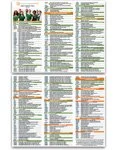
The CCMD diagnosis coding reference tool provides a quick lookup of the most commonly reported medical diagnoses, conditions, signs, and symptoms. The code set is updated to reflect the most current ICD-10-CM standards and incorporates both CMS HCC v24 and v28 risk adjustment models.

Spotlight Report
A curated update designed to keep you informed on key developments within our programs and the broader healthcare landscape. Each edition will feature essential news items, policy changes, and industry trends that may impact our work, along with highlights of organizational initiatives and strategic priorities. This report serves as a valuable resource to stay connected, aligned, and informed as we continue to advance our mission.
July 2026 Spotlight Report:
Skin Substitutes – How Much Do These Products Really Cost?
Skin substitutes have become one of the fastest-growing cost drivers in wound care. Medicare ACOs are seeing significant increases in both utilization and spend. While these products may benefit select chronic wounds, the clinical value of many newer skin substitutes remains unproven.
-
-
Wound Care Regulations Delayed Again, Allowing Questionable Practices to Continue
Clear Health Costs
By Jeanne Pinder • 04/11/25Trump Administration Delays Plan to Limit Pricey Bandages
New York Times
By Sarah Kliff & Katie Thomas • 04/11/25
FEATURED DOWNLOADS

Dementia in Nursing Facilities
Dr. Christine Mlot shares best practices for dementia care in nursing facilities. This resource highlights patient-centered approaches, effective communication, behavioral management, and interdisciplinary teamwork to enhance quality of life and reduce unnecessary hospitalizations.